Soft Water vs. Hard Water: What Is the Difference, and How Does Each Affect Your Body?
A clear look at how hard water affects your health, skin, hair, and appliances — separating verified facts from marketing claims.
Key Takeaways
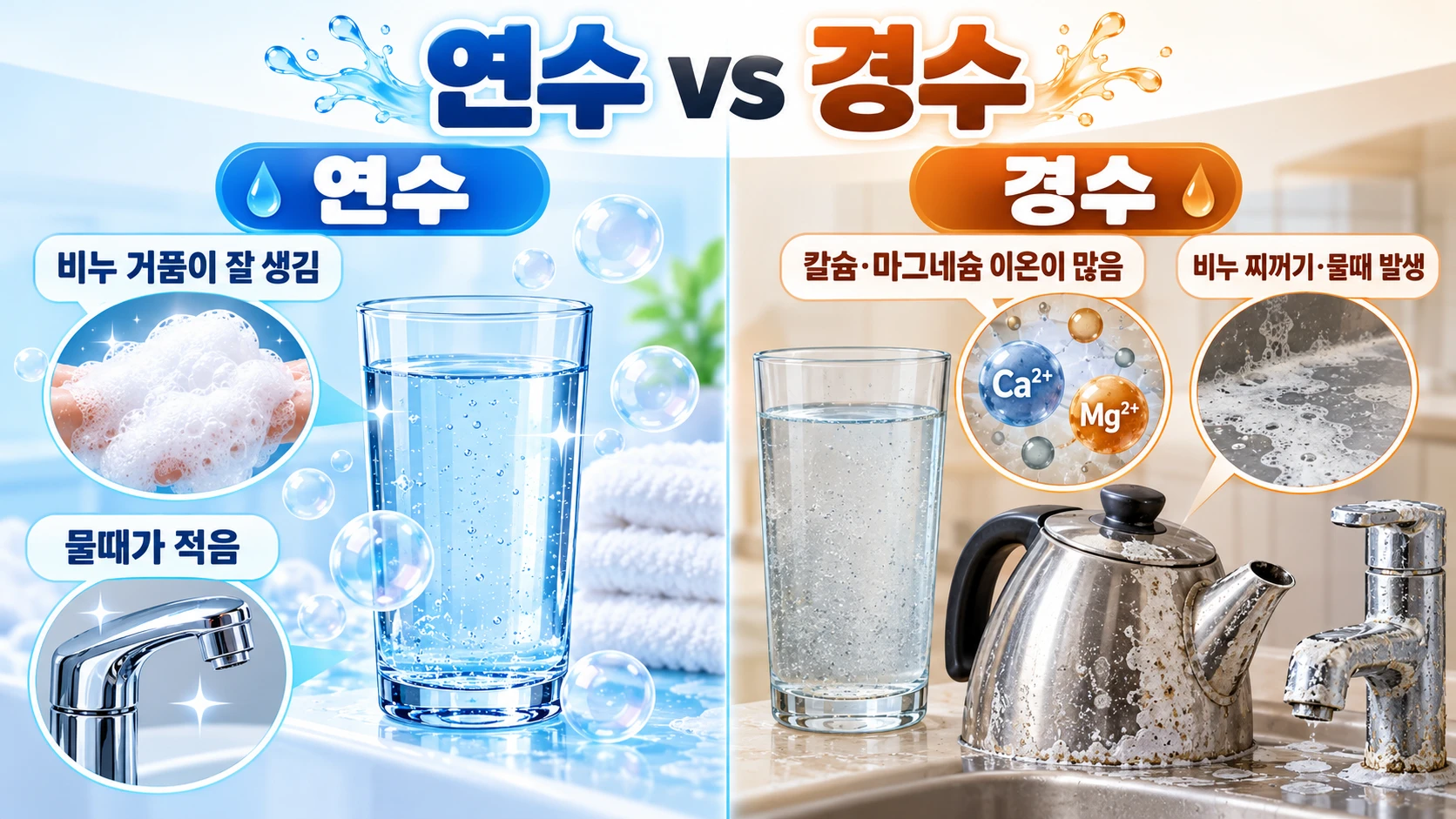
Hard water contains high levels of calcium and magnesium; soft water contains very little. Drinking hard water is not generally considered dangerous, but scale buildup, reduced cleaning power, and discomfort for skin and hair are effects you can notice in daily life.
Hard Water and Soft Water, Defined
Water hardness is determined by the concentration of calcium and magnesium ions dissolved in the water. As rainwater passes through the ground and meets minerals such as limestone and gypsum, these elements dissolve into it.
Hardness Classification (ppm as Calcium Carbonate)
| Package | Hardness (ppm) | Characteristics |
|---|---|---|
| Soft Water | 0~60 | Low mineral content |
| Slightly Hard Water | 61~120 | Moderate mineral level |
| Hard Water | 121~180 | Hard-water traits appear |
| Very Hard Water | 181~250 | Increased scale risk |
| Extremely Hard Water | 250 or higher | Scale management needed |
Standards vary slightly by agency and source. The most accurate check is your local water utility's annual water quality report (CCR).
How Does Hard Water Show Up in Daily Life?
Hard water is hard to identify by color or smell. Instead, watch for these recurring signs.
- White limescale spots on shower doors and faucets
- Soap and shampoo that barely lather
- Laundry that feels stiff after washing
- Water spots left on glasses and dishes
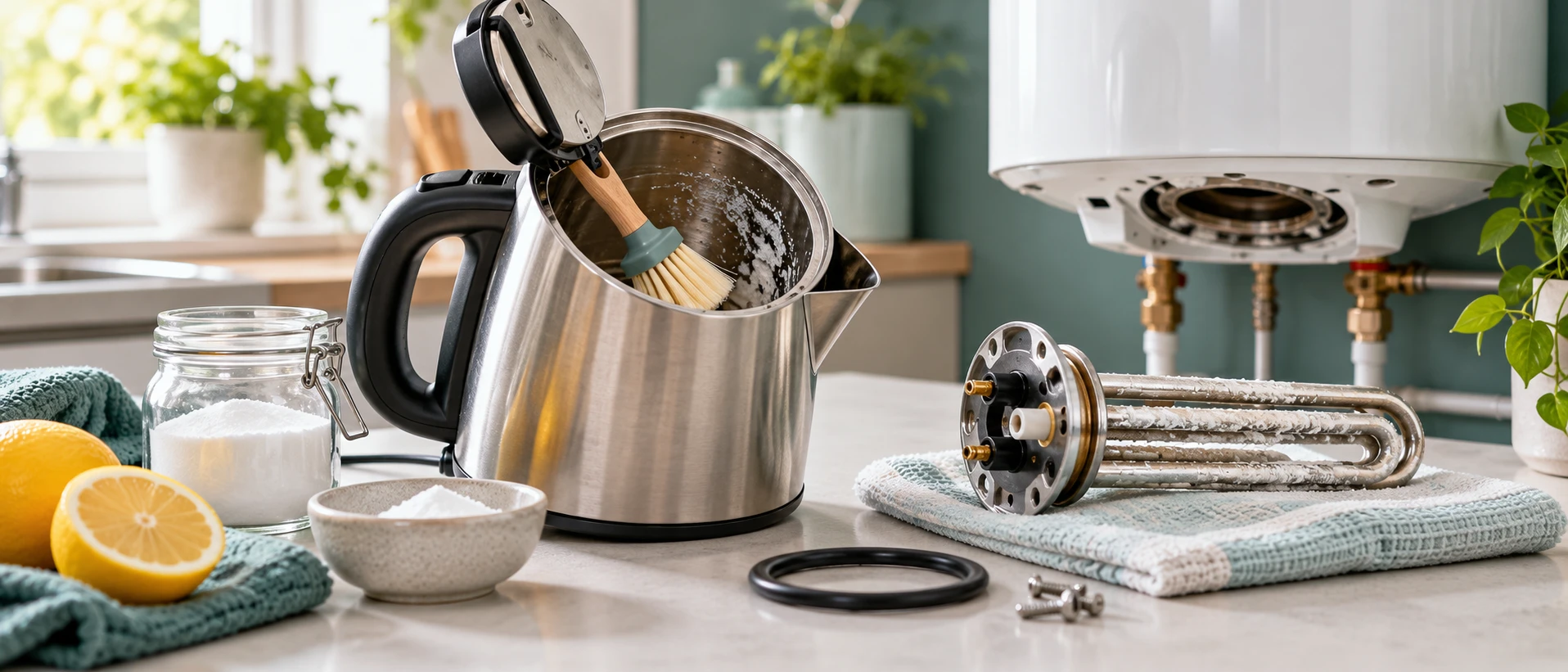
- White deposits building up inside kettles and coffee machines
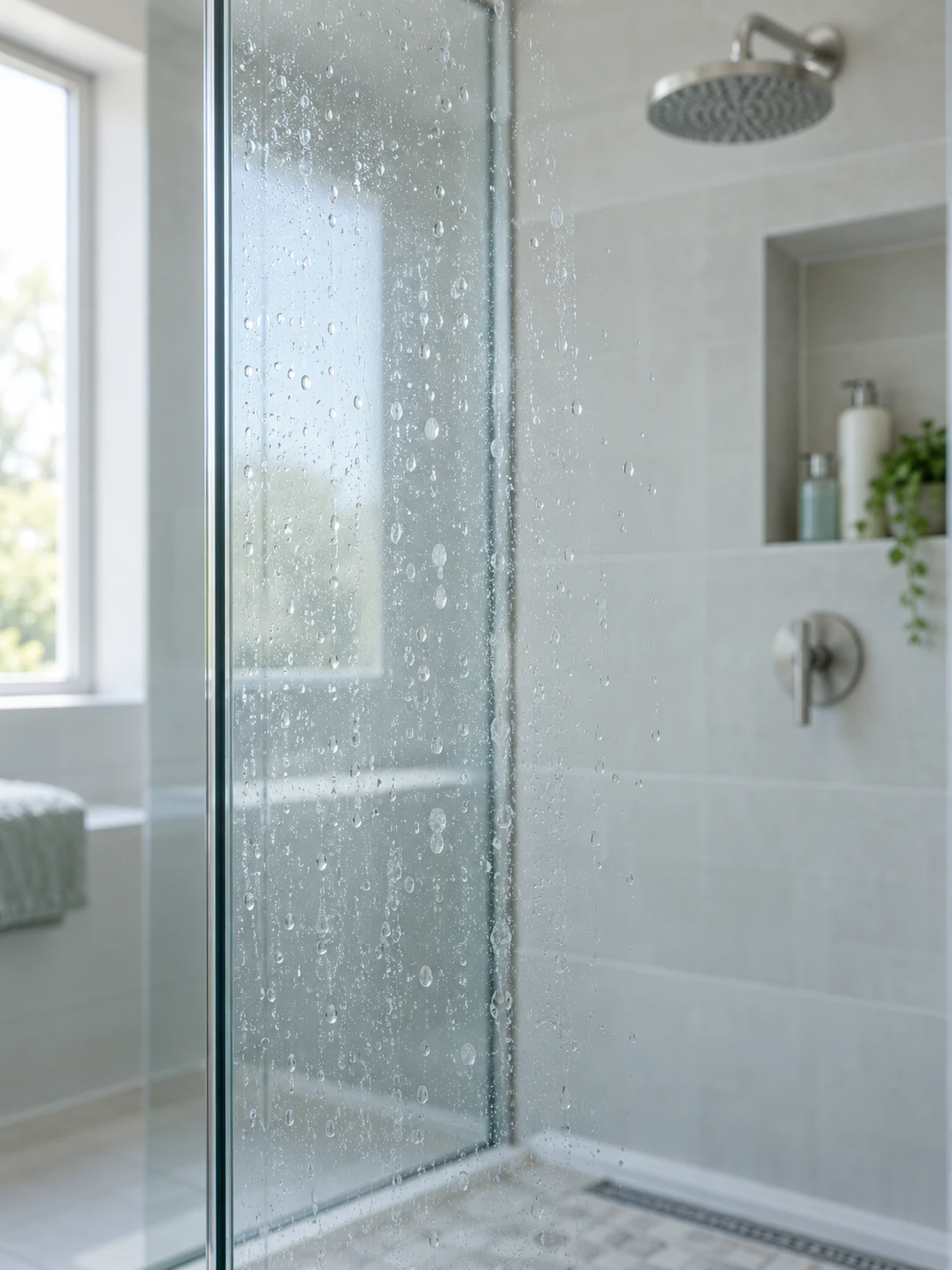
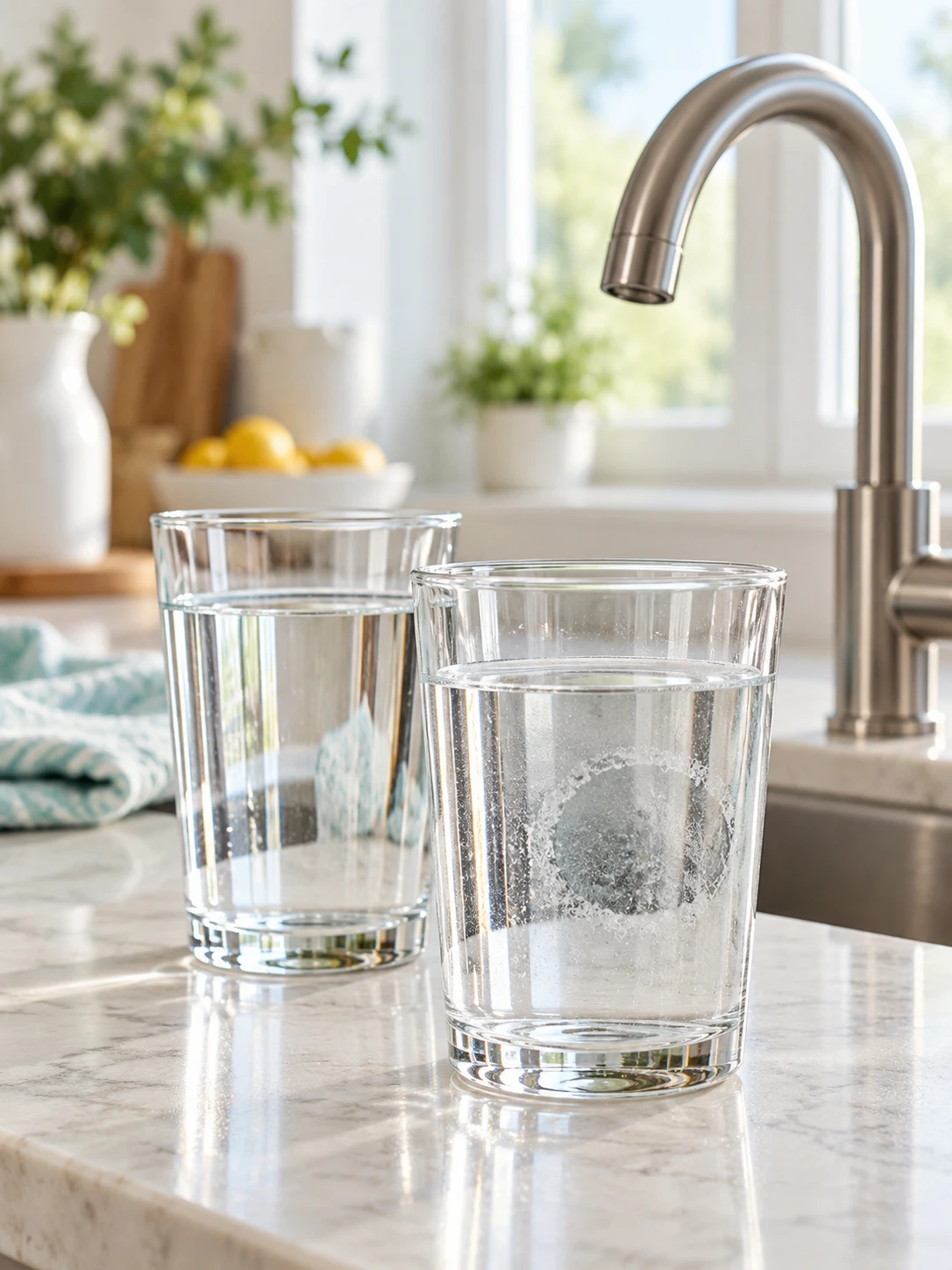
These are only indirect signs of possible hard water. Confirm with a water test kit or your local water quality report.
Water Quality Varies by Region
In the U.S., water hardness varies widely with local geology and water sources. Arizona, Nevada, Texas, New Mexico, and Indiana tend toward hard water, while Maine, New Hampshire, Vermont, and Washington have more areas with relatively soft water.
Geology
Groundwater that has passed through limestone can carry more calcium and magnesium.
Water Source
Results can differ within the same state depending on whether the supply is groundwater or surface water.
How to Check
Rather than generalizing by region, check the CCR from your actual water provider.
How Hard Water Affects Health and Daily Life
Drinking Safety
Drinking hard water is not generally a serious threat to health. Calcium and magnesium are essential minerals, but if you have a specific condition, it is wise to discuss your intake levels with a medical professional.
Skin and Hair
When hard water combines with soap, it can leave a residue that makes skin feel dry and hair feel stiff. The degree varies with your skin condition, shampoo, and washing habits — not everyone experiences the same result.
Facts vs. Assumptions
Scale buildup inside appliances and reduced cleaning power are relatively easy to verify. By contrast, some strong claims about skin trouble and hair damage rely on vendor materials or personal experience, so they should not be taken as settled fact.
Appliances and Household Costs
Scale inside water heaters, washing machines, and dishwashers can reduce efficiency and raise maintenance costs. Treat specific figures, such as detergent savings rates, as rough references — actual results depend on the product, water quality, and usage.
Water Softener vs. Water Purifier: What Is the Difference?
Water Softener
Uses ion exchange to reduce calcium and magnesium, managing scale problems in showers, laundry, and plumbing. View the Coway Slim Water Softener
Water Purifier
Focuses on reducing impurities, heavy metals, and microorganisms in drinking water, using RO or nanofiltration. View Coway Water Purifiers
How to Choose
If scale is the problem, look at a softener first; if drinking-water quality is the problem, start with a purifier. Compare Water Softeners
To solve both problems, you can consider using both devices together — but installation cost, filter replacement cost, and the space required all increase. By Use Case Coway Water Softener or Coway Water Purifier Browse the products.
4 Steps to Check Your Home's Water Quality
- Check Your Water Utility Report
Start with the Consumer Confidence Report (CCR) for your area. - Use a Home Test Kit
You can check an approximate hardness level. - Track Everyday Signs
Note when and where stains, weak lather, and scale appear. - Request a Professional Test
Consider professional testing if you need exact figures or have health concerns.
Conclusion
Drinking hard water is generally safe, but quality-of-life inconveniences — water spots, reduced cleaning power, and appliance scale — are real. Because sales-driven content can overstate the benefits, the sensible approach is to check your local water-quality figures and your actual everyday problems first, then decide on a softener or a purifier.
※ Sources: Water-quality articles from Culligan, NuvoH2O, and SoftPro Water Systems. These sources include sales-oriented content, so prioritize your local water utility report and professional references for an accurate judgment.